Twelve original visuals. One coherent system.
This atlas collects the new Built To Resist image system: the homepage hero plus eleven detailed schematics and analytical visuals. Every asset is first-party, on-theme, and built to improve clarity, page quality, and visual consistency across the site.
Browse the atlas.
Each card jumps to a full-size visual. The atlas combines overview systems maps, actor and legitimacy models, crisis architectures, movement-capacity analysis, and outcome frameworks.

Main Page Hero
A cinematic front-page visual for Built To Resist, designed as a first-party hero asset rather than a stock banner.

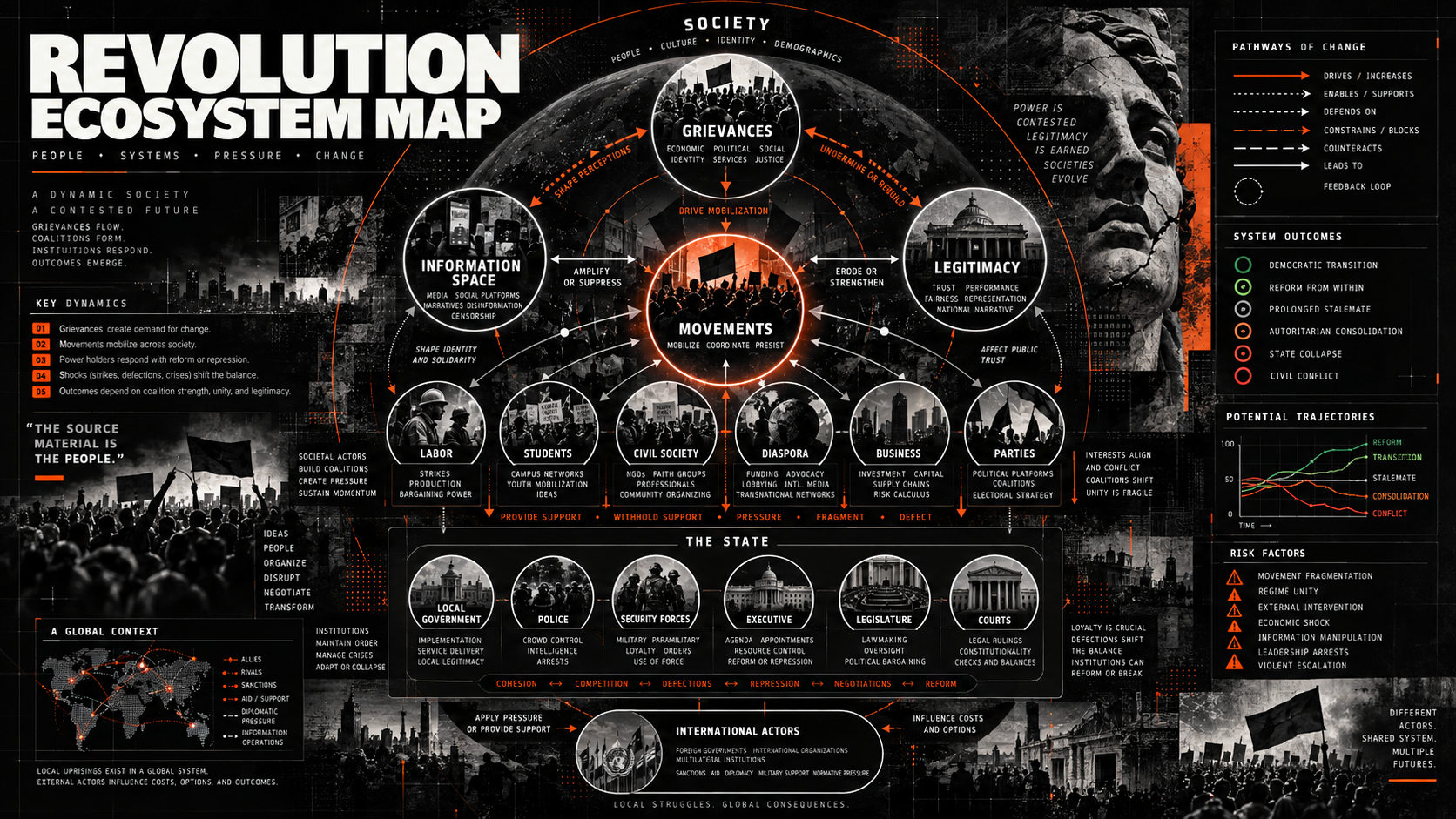
Revolution Ecosystem Map
A high-detail ecosystem view of movements, institutions, public support, repression, logistics, media, and international context.

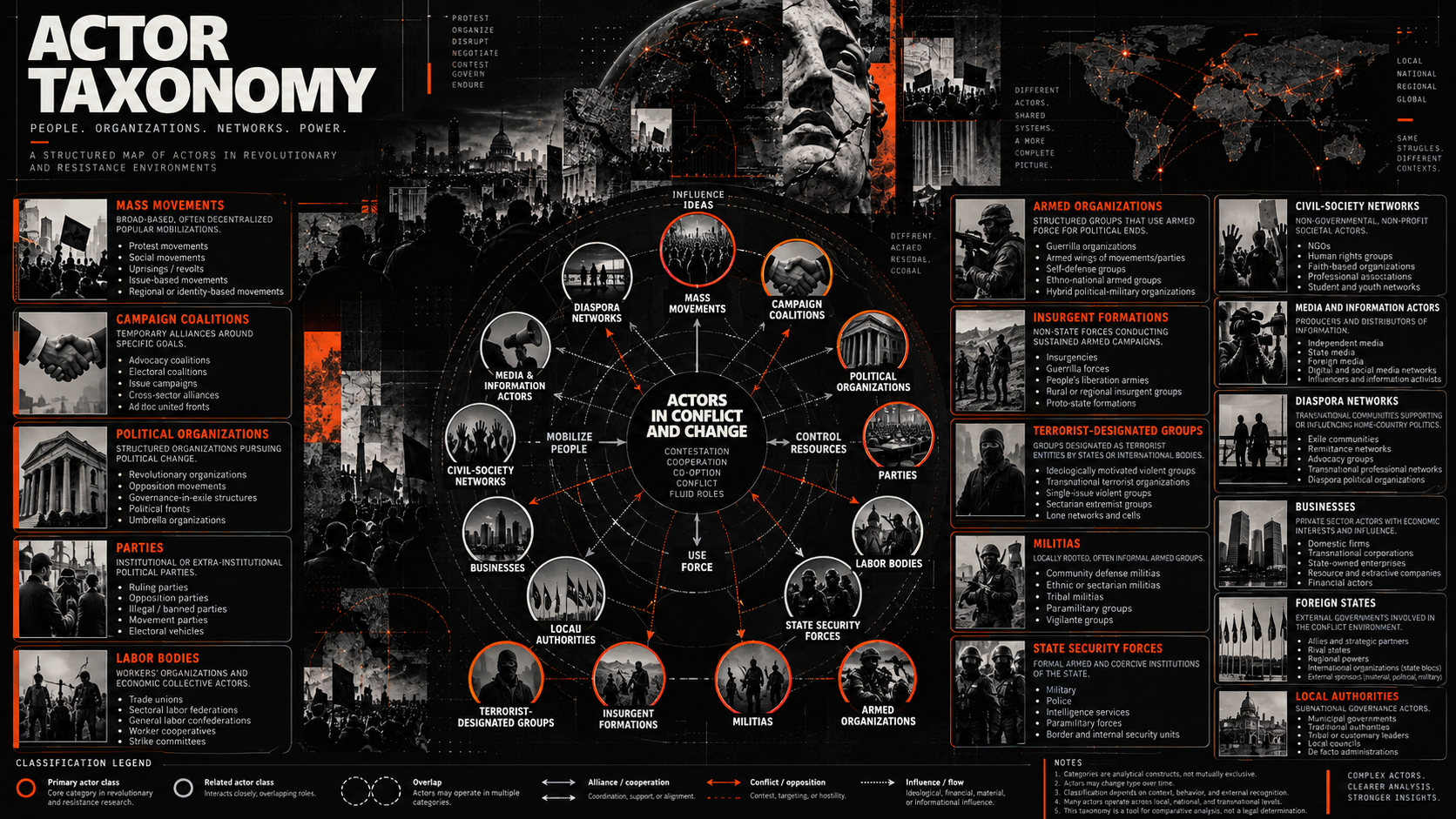
Actor Taxonomy
A neutral classification model for state, non-state, institutional, movement, armed, unarmed, legal, and extra-legal actors.

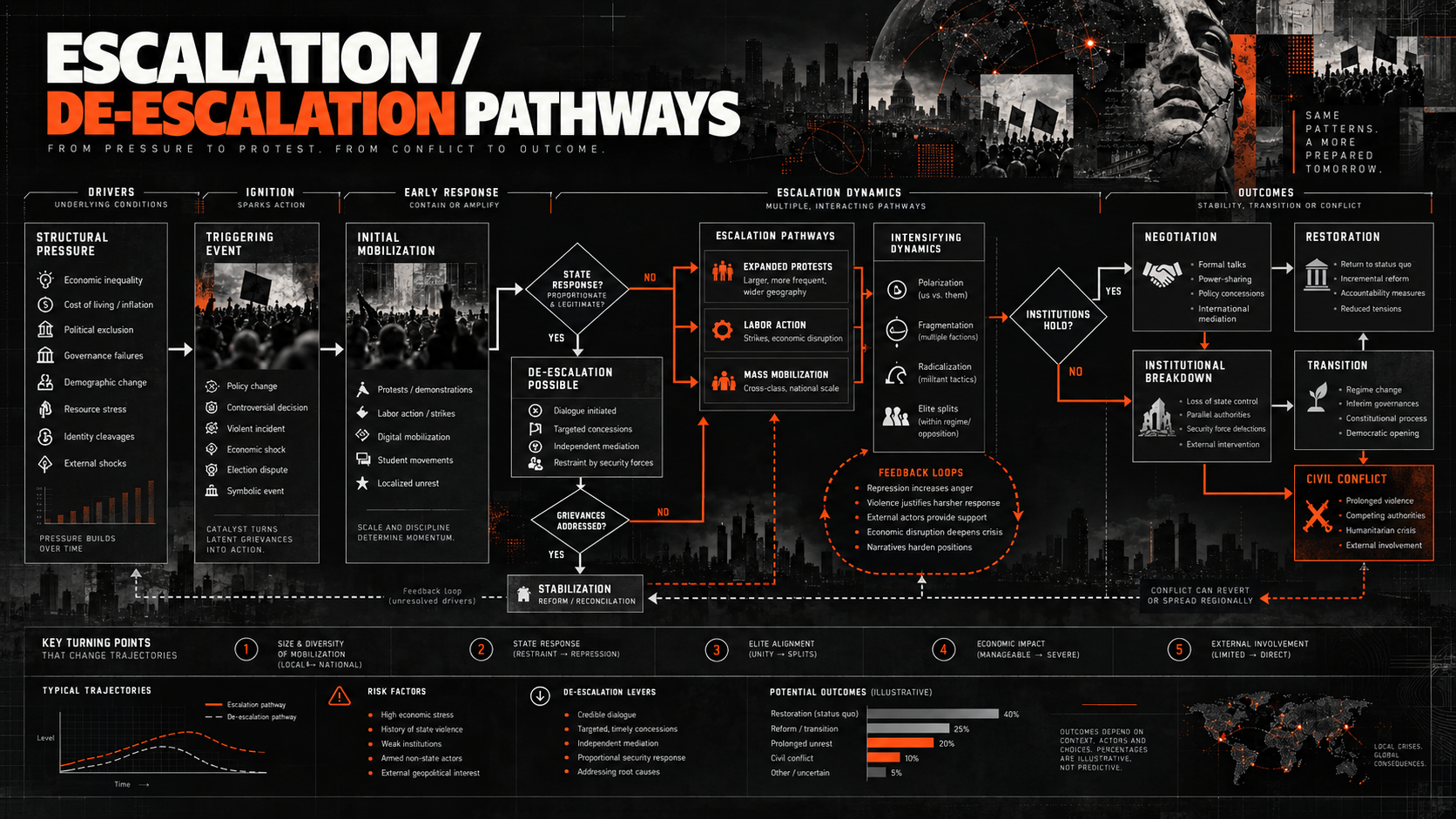
Escalation & De-escalation Pathways
A branch model showing how pressure can move toward repression, negotiation, transition, restoration, or wider conflict.

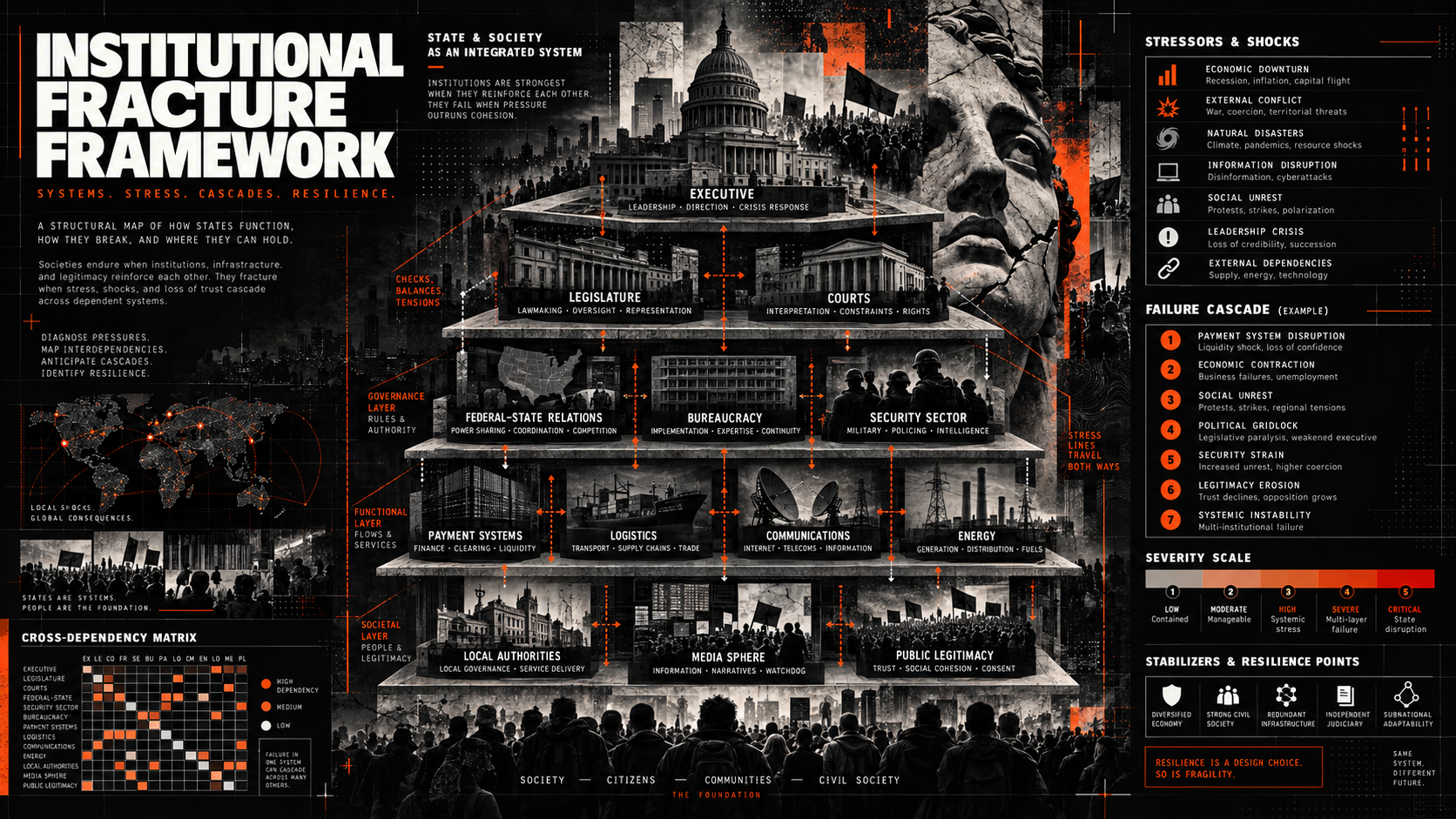
Institutional Fracture Framework
A cross-institutional map of stress, legitimacy, authority, administrative degradation, and competing centers of power.

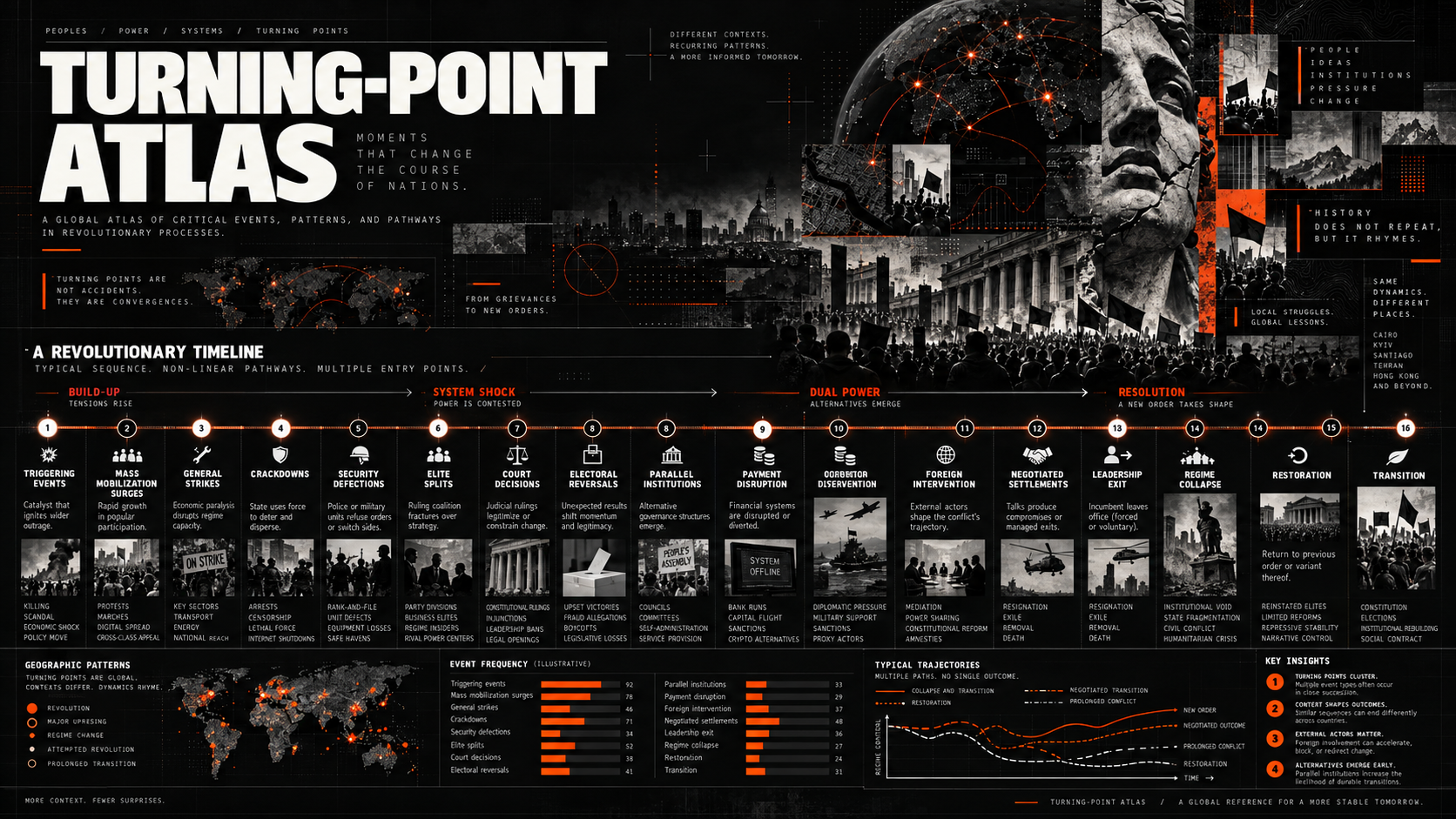
Turning-Point Atlas
A global comparative visual linking revolutions, uprisings, ruptures, and key turning points across regions and eras.

Post-Revolution Outcomes Decision Tree
A decision-tree style map of what can happen after a revolutionary rupture, from restoration and settlement to fragmentation or consolidation.

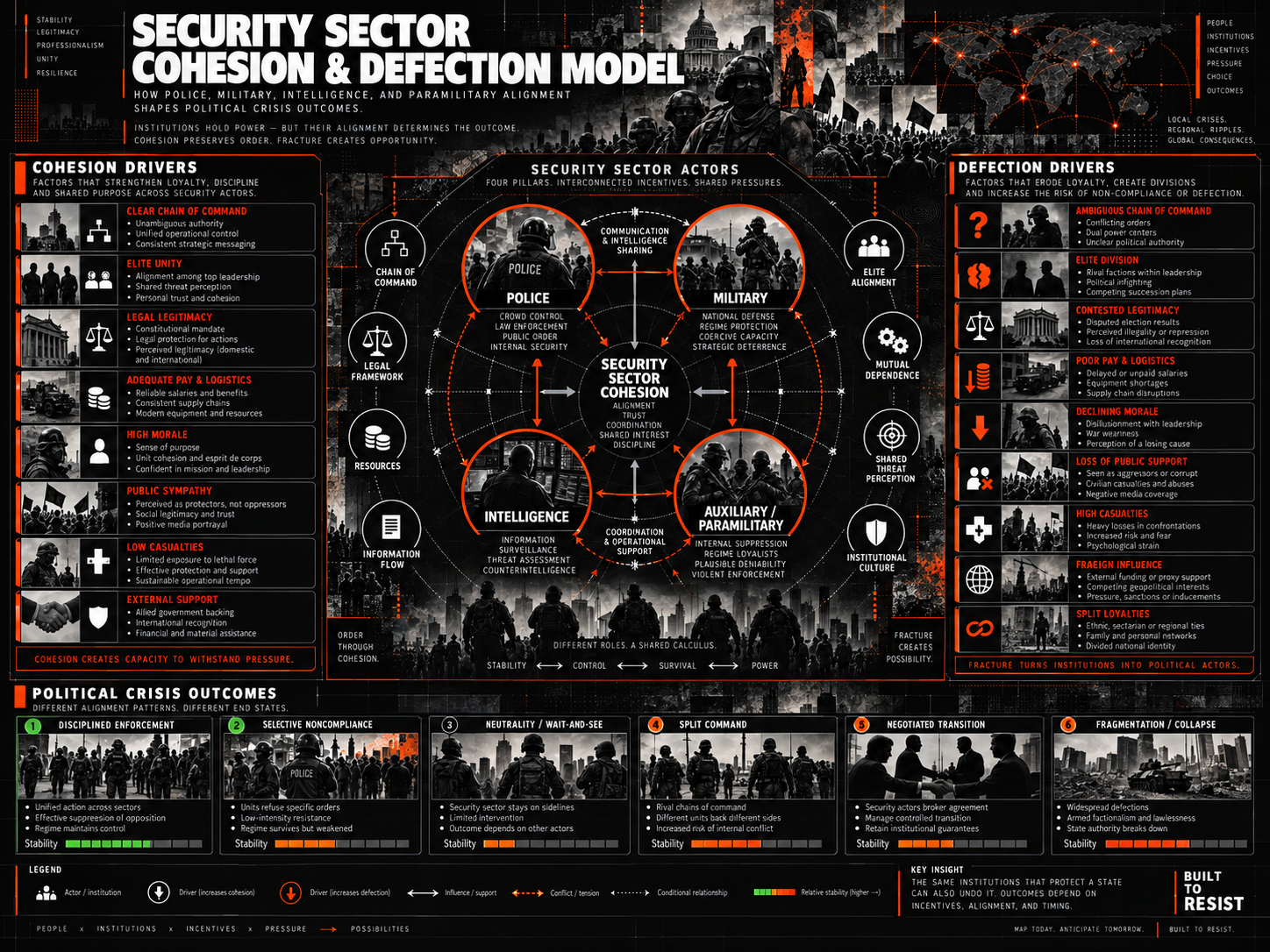
Security-Sector Cohesion & Defection Model
A model of cohesion, splits, defections, command fragmentation, and loyalty uncertainty inside the coercive apparatus.

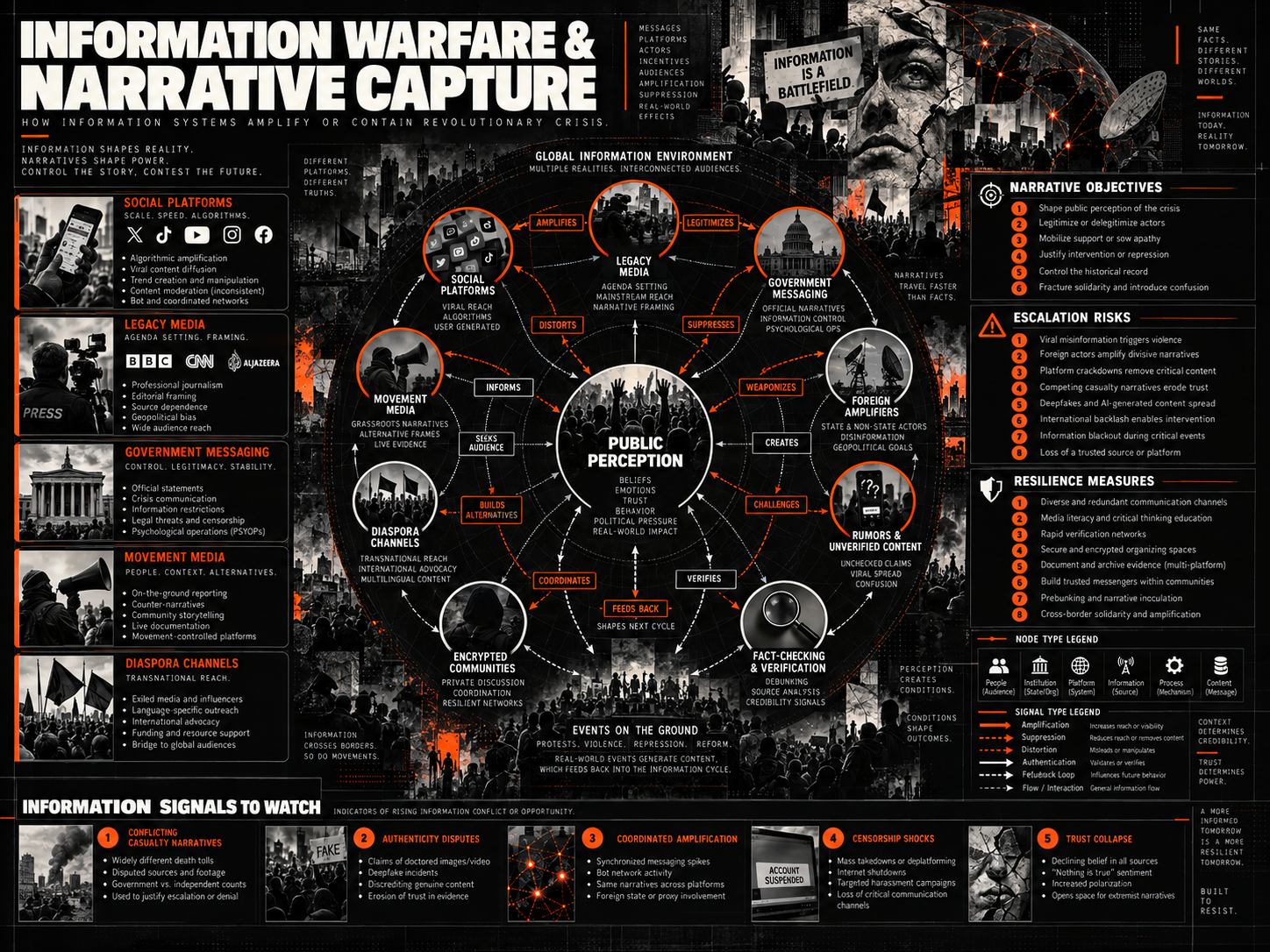
Information Warfare & Narrative Capture
A systems visual showing narrative competition, information contamination, platform amplification, authentication, and public trust erosion.

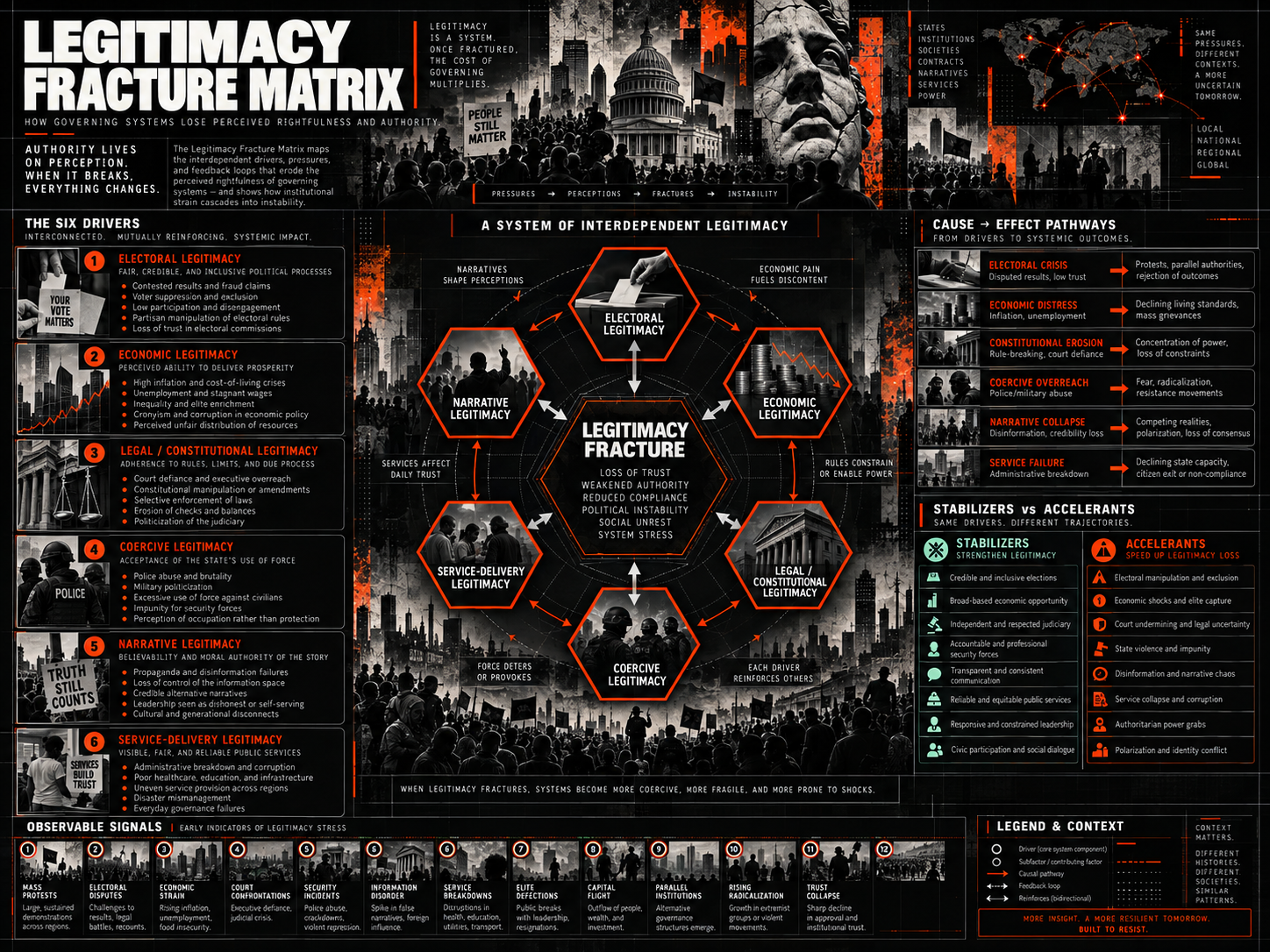
Legitimacy Fracture Matrix
A matrix for comparing legality, recognition, compliance, and public belief across different authority claims.

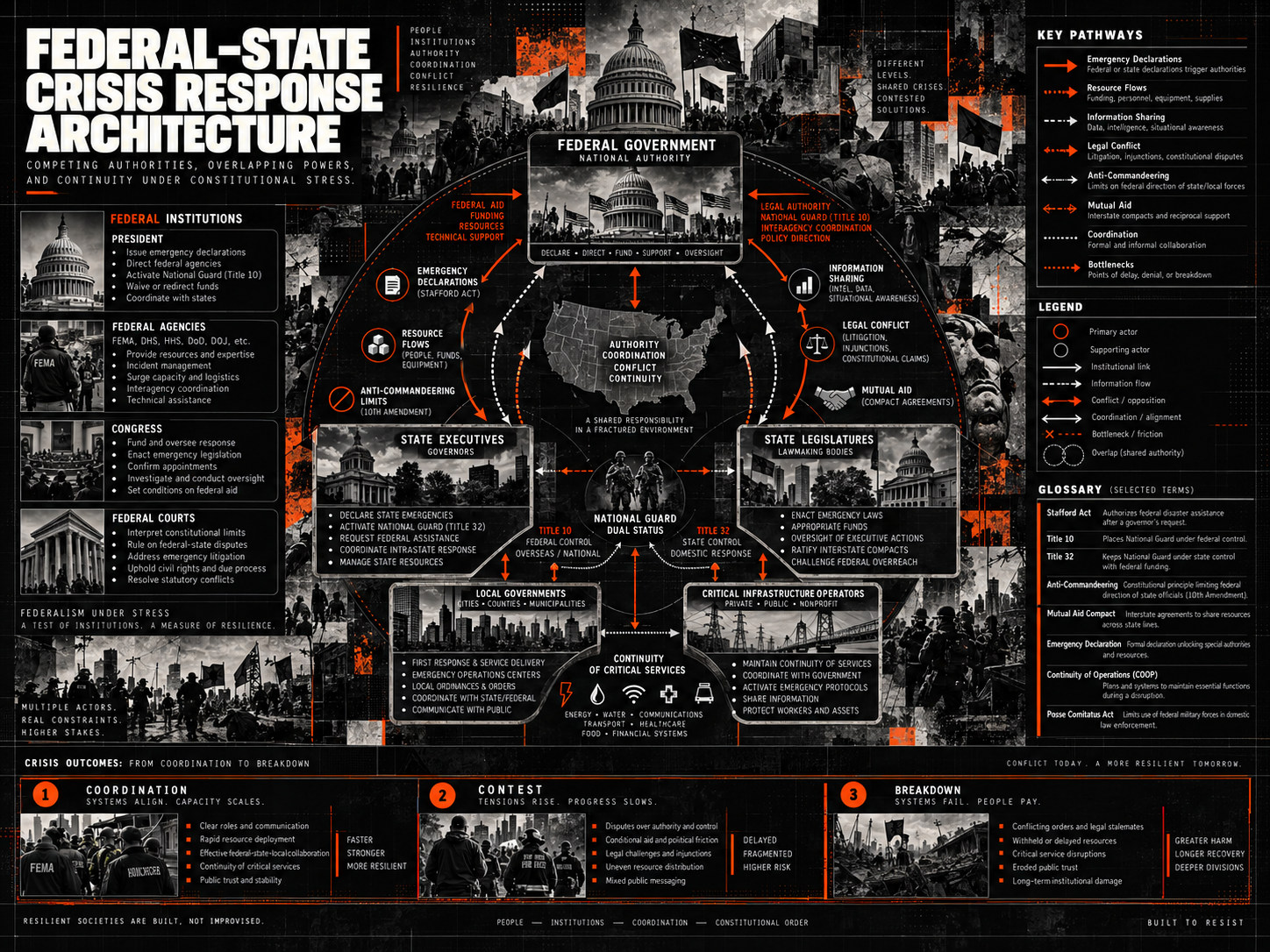
Federal–State Crisis Response Architecture
A structural map of federal, state, local, Guard, court, and continuity relationships under severe stress.

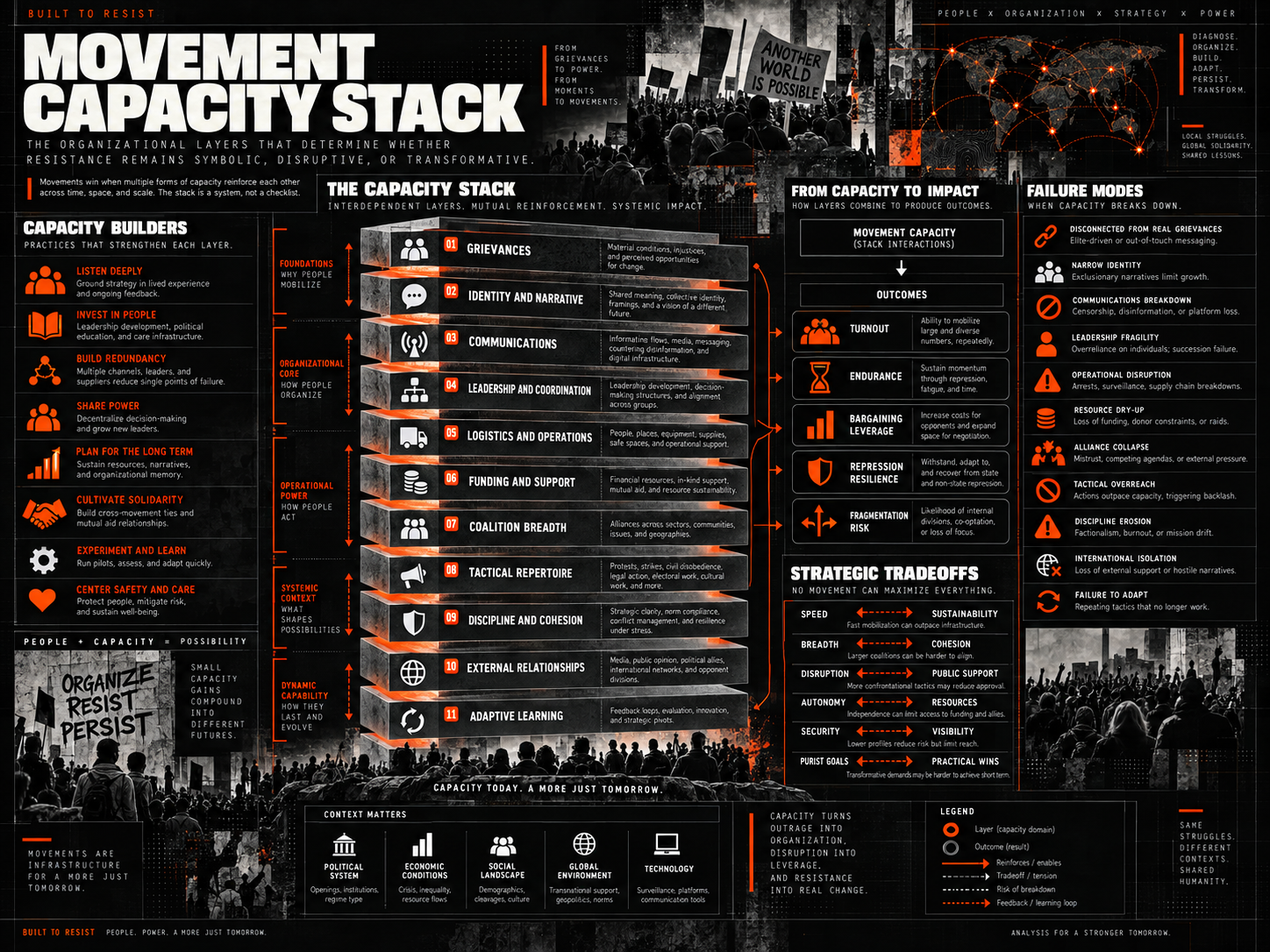
Movement Capacity Stack
A layered model of movement capacity including people, organization, logistics, narrative, discipline, resources, and institutional conversion.
A cinematic front-page visual for Built To Resist, designed as a first-party hero asset rather than a stock banner.

A high-detail ecosystem view of movements, institutions, public support, repression, logistics, media, and international context.
A neutral classification model for state, non-state, institutional, movement, armed, unarmed, legal, and extra-legal actors.
A branch model showing how pressure can move toward repression, negotiation, transition, restoration, or wider conflict.
A cross-institutional map of stress, legitimacy, authority, administrative degradation, and competing centers of power.
A global comparative visual linking revolutions, uprisings, ruptures, and key turning points across regions and eras.
Post-Revolution Outcomes Decision Tree
Open related research →A decision-tree style map of what can happen after a revolutionary rupture, from restoration and settlement to fragmentation or consolidation.

Security-Sector Cohesion & Defection Model
Open related research →A model of cohesion, splits, defections, command fragmentation, and loyalty uncertainty inside the coercive apparatus.
Information Warfare & Narrative Capture
Open related research →A systems visual showing narrative competition, information contamination, platform amplification, authentication, and public trust erosion.
A matrix for comparing legality, recognition, compliance, and public belief across different authority claims.
Federal–State Crisis Response Architecture
Open related research →A structural map of federal, state, local, Guard, court, and continuity relationships under severe stress.
A layered model of movement capacity including people, organization, logistics, narrative, discipline, resources, and institutional conversion.